


Which rides smoother around Des Moines, IA — the 2026 Honda Ridgeline or the 2026 Ford Ranger?
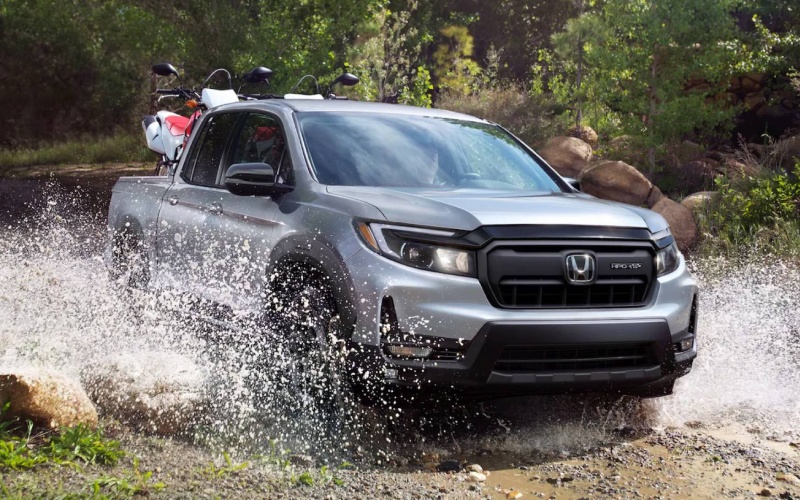
Vern Eide Honda Sioux City – Which rides smoother around Des Moines, IA — the 2026 Honda Ridgeline or the 2026 Ford Ranger?
When midsize truck shoppers ask which model rides smoother for daily commuting and weekend tasks around Des Moines, IA, the answer comes down to chassis design and how each manufacturer tunes suspension and driveline systems. The 2026 Ridgeline builds on a unibody foundation with fully independent front and rear suspensions, while the Ranger uses a traditional body-on-frame approach with truck-grade underpinnings. Both are capable, but their personalities on broken pavement, expansion joints, and long interstate stretches feel very different once you’ve driven each back to back.
The Ridgeline’s unibody structure is inherently stiff, which lets Honda fine-tune the suspension to glide over chatter and absorb sharp impacts with less head toss. Add standard i-VTM4® all-wheel-drive and Intelligent Traction Management, and you get surefooted grip with torque actively distributed to the wheel that can use it. The effect is subtle yet confidence inspiring, especially when taking curved ramps in the rain or accelerating onto I-235 with a light trailer in tow. TrailSport trims further refine the equation with retuned springs, dampers, and stabilizer bars designed to maintain body control on uneven surfaces. Inside, the quiet cabin, Tri-Zone Automatic Climate Control, and wireless connectivity help your brain shift out of “truck mode” and into an easygoing, family-ready mindset.
Ranger loyalists will rightly point out its strengths, including available powertrains, drive modes, and credible off-road equipment. Ford’s Co-Pilot360® technologies, available 360-Degree Camera, and Pro Power Onboard™ bed outlet are genuinely useful. On the highway, the Ranger is steady and well mannered for a body-on-frame pickup, and on rutted two-tracks it feels right at home. Still, when commutes, errands, and mixed-use days put you on a variety of surfaces, the Ridgeline’s ride isolation and composure are difficult to ignore. Its independent rear suspension helps it stay planted and less “busy” over mid-corner bumps, and the unibody’s reduced flex keeps squeaks and rattles at bay over time.
Cargo management plays a supporting role in how “smooth” a truck feels to live with, too. The Ridgeline’s Dual-Action Tailgate opens down or sideways, letting you step close to the bed without leaning over a tailgate, while the lockable In-Bed Trunk® keeps gear secure, dry, and low in the chassis. That lowers your center of gravity and helps reduce bed clutter and weight shifting around. A composite, UV-stabilized, scratch-resistant bed shrugs off dings, so you won’t hear tools clanking against bare metal. The Ranger counters with a helpful integrated box side step, Zone Lighting, and the available bed outlet, which many weekend warriors appreciate. But if your goal is less hassle and fewer hops in and out of the bed, the Ridgeline’s side-swing tailgate and trunk simplify life.
Technology can also influence your sense of ease on the road. The Ridgeline’s 9-inch Display Audio touch-screen, Wireless Apple CarPlay® and Android Auto™, and available wireless phone charging mean fewer cords and less dashboard fiddling. Honda Sensing® is standard and includes Collision Mitigation Braking System™ (CMBS™), Road Departure Mitigation (RDM), Adaptive Cruise Control (ACC), and Lane Keeping Assist System (LKAS). The Ranger’s available 12-inch center display, SYNC 4A, and Co-Pilot360® driver-assists are strong, and the optional 360-Degree Camera is especially handy in tight spaces. The difference is how quickly you can relax into a routine: Ridgeline builds that rhythm out of the box, while Ranger often requires more packages and trim steps to assemble a similar experience.
What about towing’s effect on ride? The Ridgeline’s standard V-6 and 9-speed automatic deliver smooth, predictable torque, and the integrated hitch with a 7-pin connector is standard. With i-VTM4® and Intelligent Traction Management set for the surface, pulling a small camper or utility trailer feels drama free. Ranger models that are properly equipped provide strong tow ratings and tech aids for trailering, but when you’re not chasing a maximum number and simply want consistency around town, the Ridgeline’s tuned-in response and standard hardware are a stress reducer.
If your daily driving around the metro includes cracked pavement, bridge seams, and the occasional gravel detour, the Ridgeline’s blend of structure, suspension, and drivetrain tuning creates a calmer experience more akin to a well-damped SUV. That’s the heart of the “smoother ride” equation. And when your weekend plans call for fishing gear, camping totes, or sports equipment, the lockable In-Bed Trunk® and Dual-Action Tailgate keep everything organized and within easy reach, so loading and cleanup don’t shake up your day.
For shoppers comparing both trucks, we recommend scheduling back-to-back drives over the same loop. Bring a friend, load some gear, and pay attention to how each truck handles patched asphalt, quick lane changes, and low-speed chatter. If your shoulders relax sooner in the Ridgeline, that’s the unibody and independent suspension doing their best work. And if you prefer the Ranger’s traditional truck feel, note which packages and trims deliver your must-have features, because that will guide your search.
Vern Eide Honda Sioux City is proudly serving Fremont, Council Bluffs, and Des Moines with knowledgeable staff and an easygoing test-drive experience that lets you feel the differences clearly. We’re happy to answer detailed questions about i-VTM4®, TrailSport enhancements, Honda Sensing®, and cargo solutions like the In-Bed Trunk®, and we can help you compare those directly with Ranger equipment and packages. When you’re ready to find the smoothest-riding midsize truck for your day-to-day life, our team is here to help you decide confidently.
Frequently Asked Questions:
Does the Ridgeline’s unibody construction actually make a difference day to day?
Yes. The unibody structure is stiffer and works with independent suspensions to reduce vibrations and sharp impacts, so the cabin feels calmer on patched pavement and expansion joints.
Can the Ridgeline handle gravel roads and light trails as well as the Ranger?
For light trails and gravel, absolutely. Standard i-VTM4® AWD and Intelligent Traction Management modes deliver confident traction. For more rugged routes, the TrailSport’s retuned components and all-terrain tires add capability.
Which truck is easier to load and organize for weekend projects?
The Ridgeline’s Dual-Action Tailgate and lockable In-Bed Trunk® simplify access and storage. The Ranger’s integrated box side step is helpful, but it lacks the Ridgeline’s side-swing tailgate and secure trunk versatility.
0 comment(s) so far on Which rides smoother around Des Moines, IA — the 2026 Honda Ridgeline or the 2026 Ford Ranger?