


Which SUV has the better all-weather traction for Council Bluffs, IA drivers – the 2026 Honda HR-V or 2026 Chevrolet Trax?
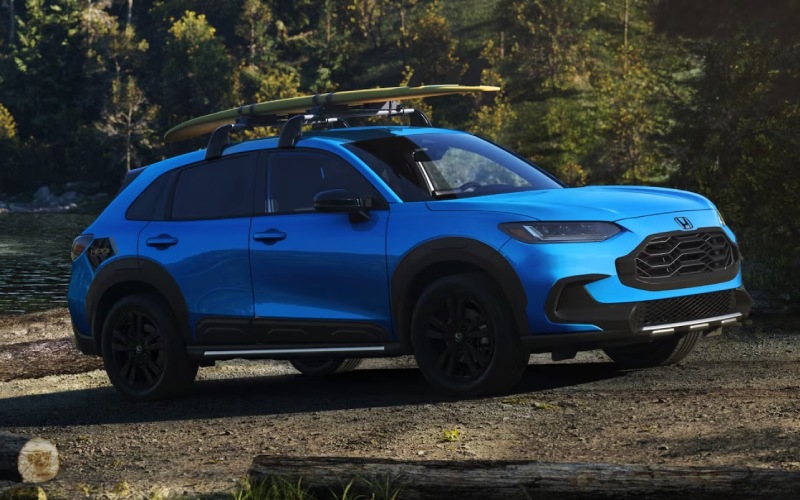
Vern Eide Honda Sioux City – Which SUV has the better all-weather traction for Council Bluffs, IA drivers – the 2026 Honda HR-V or 2026 Chevrolet Trax?
All-weather traction is one of the most common questions we hear when shoppers compare the 2026 Honda HR-V and 2026 Chevrolet Trax. Both are compact, city-friendly SUVs with modern tech and everyday usability. Yet when the forecast changes or the pavement does, the mechanical details underneath each vehicle make a meaningful difference in how secure you feel behind the wheel. This deep dive unpacks how their traction technologies work, when they help most, and which choice better supports daily driving plus those inevitable detours—think gravel turnoffs to trailheads, steep parking ramps, wet intersections, and winter-to-spring shoulder seasons around the Missouri River Valley.
Let’s start with what you can equip. The HR-V offers available Real Time AWD™ with Intelligent Control System™, a capable, predictive system that continuously monitors wheel speed, throttle input, and other data to send torque to the rear wheels when needed. It’s calibrated to act seamlessly, which means you don’t have to wonder if the system is awake or wait for wheelspin to kick in—its reactions feel transparent and confidence-inspiring. The HR-V also includes Snow Mode, which helps reduce initial wheel slip by smoothing throttle response and optimizing launch. Hill Descent Control is standard, bringing an extra layer of control when easing down a steep, slick ramp or a rutted gravel lane. These systems work in concert with a multi-link rear suspension that helps the tires stay planted over uneven surfaces, contributing to traction you can feel in the steering wheel and seat.
By contrast, the Trax is front-wheel-drive only. Front-drive layout is fine for many dry-road scenarios and light precipitation, and today’s traction control systems do an admirable job of limiting outright wheelspin. But without available all-wheel drive, you lose the benefit of actively sending power to rear wheels when the front loses grip. On a steep, wet grade, during a standing start on slick pavement, or crossing washboarded gravel, that can translate to more initial scrabble at the front tires and, in certain conditions, longer waits for stability systems to settle the vehicle. The Trax also does not list a Snow Mode or Hill Descent Control. That means modulation duties remain primarily with your right foot and the brake pedal, and the load of moving off the line falls mostly on the front axle.
What does this feel like day to day? Imagine merging from a damp, pebbly shoulder onto a busy roadway. In the HR-V with Real Time AWD™, you’ll sense the vehicle hook up cleanly as the system quietly balances torque front to rear. The steering feels composed rather than tuggy, and there’s less drama as you pick up speed. On the Trax, traction control can step in effectively, but you may notice more front-tire scrabble before grip normalizes. The same is true on tight gravel hairpins or slushy parking-lot exits: the HR-V’s rear-axle assist helps the vehicle rotate calmly instead of plowing forward, encouraging a more controlled, confident arc through the turn.
The suspension architecture matters as well. The HR-V employs a multi-link rear setup that better manages wheel movement independently, keeping the tire’s contact patch happier over imperfect pavement. That translates to more consistent grip, especially mid-corner over broken surfaces common on secondary roads. The Trax’s rear suspension is a simpler design that can ride firmly enough, but under certain inputs it can transfer more motion laterally, which you feel as a slight hop or skitter over sharp ripples. On wet or dusty pavement, that difference in composure can be the difference between a small steering correction and none at all.
Beyond raw traction, confidence also comes from driver-assist features that remove friction from common tasks. The HR-V’s Adaptive Cruise Control with Low-Speed Follow can manage speed in stop-and-go traffic more gracefully, reducing the mental overhead when visibility is compromised. Blind spot information with Cross Traffic Monitor, parking sensors, and Low-Speed Braking Control on the EX-L add layers of support in packed lots and tight urban spaces. The Trax brings strong core safety through Chevy Safety Assist, including Automatic Emergency Braking and Lane Keep Assist, but it does not offer adaptive cruise control. If your drive often involves variable-flow highways or extended interstate stretches, that extra capability in the HR-V makes the miles feel lighter.
Of course, traction is a system—tires, driver inputs, suspension, power delivery, and stability controls all play roles. To maximize either vehicle, choose seasonally appropriate tires and keep them properly inflated, pay attention to surface changes, and give electronic helpers the space to work by driving smoothly. That said, when you factor in available Real Time AWD™, Snow Mode, standard Hill Descent Control, and a more sophisticated rear suspension, the HR-V stacks the deck in your favor before you even turn the wheel.
If you’re comparing these two with regular trips across the river, out to county parks, or up and down multi-story ramps where traction ebbs and flows, a short back-to-back test will make the differences plain. Start both vehicles on a damp surface and perform a few gentle launches. Then drive across a mildly ribbed gravel section at a steady speed and feel for steering corrections. Finally, find a controlled, steep descent and assess how calmly each can creep without constant brake modulation. You’ll likely come away with the same impression we hear from many owners—one of these vehicles simply takes more work to drive smoothly in changing conditions, and it isn’t the HR-V.
To wrap it up, the HR-V’s traction advantage isn’t just about hardware; it’s about how all the elements harmonize. The predictability of the throttle in Snow Mode, the calm of Hill Descent Control, the poised feel of the multi-link rear suspension, and the peace of mind from Honda Sensing® systems together create a more composed, less stressful drive. For many shoppers, that day-in, day-out ease is the deciding factor.
When you’re ready to explore further, schedule a test drive and bring your toughest routes to mind. One drive will show you why the HR-V feels so surefooted when the surface is anything but. Vern Eide Honda Sioux City is here to help you compare objectively and choose confidently—serving Fremont, Council Bluffs, and Des Moines with a team that knows how these vehicles behave on the roads you drive most.
Frequently Asked Questions:
Does the 2026 Chevrolet Trax offer all-wheel drive?
No. The Trax is front-wheel drive only. If you want the security of power going to both axles when traction falls off, the 2026 HR-V offers available Real Time AWD™ with Intelligent Control System™.
What does Snow Mode actually change in the 2026 HR-V?
Snow Mode moderates initial throttle response and shift behavior to reduce wheel slip at launch. It helps the HR-V pull away more smoothly on slick surfaces and maintain steady progress without abrupt inputs.
How does Hill Descent Control help in everyday driving?
It automatically regulates speed on steep downhills so you can focus on steering, whether you’re easing down a boat ramp, navigating a muddy lane, or creeping through a tight, multi-level garage.
Is there a difference I’ll feel on rougher pavement?
Yes. The HR-V’s multi-link rear suspension helps keep tires better planted over ripples and patches, contributing to a more composed, confident feel, especially mid-corner on broken surfaces.
0 comment(s) so far on Which SUV has the better all-weather traction for Council Bluffs, IA drivers – the 2026 Honda HR-V or 2026 Chevrolet Trax?