


Which Three-Row SUV Fits Busy Weekends Around Fremont, NE Better — Pilot or Highlander?
Vern Eide Honda Sioux City – Which Three-Row SUV Fits Busy Weekends Around Fremont, NE Better — Pilot or Highlander?
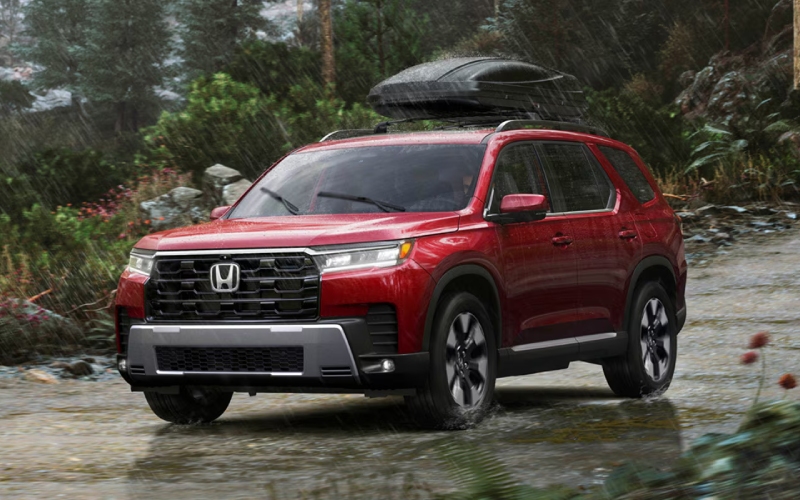
When friends ask us which three-row SUV makes busy weekends flow more smoothly, we think about how families actually use their vehicles between school, sports, errands, and spur-of-the-moment road trips. The Honda Pilot and Toyota Highlander both have strong reputations, so the better question becomes this: which one stays easier to live with when schedules stack up? From the driver’s seat, the Pilot’s simple, flexible seating and clear, built-in tech give it an edge for families who juggle passengers and cargo every day.
Start with space and function. The Pilot’s available stowable 2nd-row center seat lets you flip between 8- and 7-passenger layouts without hunting for a bulky middle seat in your garage. Load the third row with One-Touch 2nd-Row Seats, tuck small bags in the hidden storage well, and you are on your way. Highlander offers three rows as well, and its cabin feels polished, but it lacks the Pilot’s clever seat stowage solution. If you rotate between car seats, booster seats, and adult passengers, the Pilot’s approach saves time and frustration.
Technology is the next differentiator. With Google built-in, the Pilot puts Maps and Assistant right on the 12.3-inch touch-screen, reducing the back-and-forth between your phone and the vehicle interface. Wireless Apple CarPlay and Android Auto compatibility are standard, so your media and messaging are just a tap away. Highlander’s Toyota Audio Multimedia system is quick and modern, and it also supports wireless mirroring, but the Pilot’s native integration feels particularly intuitive if your world already revolves around Google services.
On the road, both SUVs feel steady and quiet, and each offers an advanced all-wheel-drive system. Honda’s available i-VTM4® goes a step beyond basic traction by actively distributing torque between the rear wheels, which helps you turn more confidently onto frontage roads or manage split-traction situations in gravel parking lots. Toyota counters with Dynamic Torque Vectoring AWD on select trims, and it is a capable setup. Where the Pilot stretches its lead is in TrailSport hardware for families who wander off the paved path. Steel skid plates, all-terrain tires, and TrailWatch™ camera views that show obstacles near the tires mean fewer surprises on dirt lanes to lakes and trailheads outside town.
Parents often ask which SUV keeps kids more comfortable. The Pilot answers with Tri-Zone Climate Control and the availability of heated and ventilated front seats plus heated outboard 2nd-row seats. CabinTalk® is a simple yet brilliant touch that lets the front row speak through the rear speakers, a small thing that lowers the temperature of those long back-seat conversations. Highlander brings its own premium features, like an available panoramic roof and upscale seat materials, but the Pilot’s family-first details feel purpose-built for daily parenting.
Safety is strong in both camps. Every Pilot gets Honda Sensing® with Collision Mitigation Braking System™ (CMBS™), Road Departure Mitigation, Adaptive Cruise Control with Low-Speed Follow, Lane Keeping Assist, and Traffic Sign Recognition. Highlander features Toyota Safety Sense 2.5+, which offers comparable driver aids, and both SUVs benefit from improved body structures and excellent outward visibility. The upshot is that shoppers can focus more on how the SUVs feel and function in their hands, knowing each brings serious safety tech to the table.
If your weekend routines involve carpools, quick runs to home-improvement stores, and spontaneous trips between communities, the Pilot’s mix of confident traction, easy-to-use technology, and flexible seating tends to remove friction points. Highlander is a solid alternative, especially if you prefer its design language or specific Toyota features. For many families, though, the Pilot’s usability wins out where it matters most—on a random Tuesday with two stops to make before dinner.
- Seating flexibility: Pilot’s stowable 2nd-row center seat lets you switch between 8- and 7-passenger layouts on the fly.
- Traction and confidence: Available i-VTM4® and TrailSport hardware help with gravel, boat ramps, and uneven drives.
- Everyday tech: Google built-in streamlines navigation and voice control without relying on your phone.
To put both SUVs in context for your routes around Fremont, NE, take a short-list drive that includes a mix of city streets, a faster highway segment, and a stop where you load and unload real gear. Note how quickly you can reach the third row, how clear the camera views are, and how the SUV settles back down after broken pavement. Subtle differences here are what you will notice after six months of ownership.
When you are ready to compare trims and features with people who live and breathe these vehicles, visit or reach out to Vern Eide Honda Sioux City. Our team can explain how the Pilot’s drive modes work, which trims include Bose audio or the panoramic moonroof, and why the TrailWatch™ camera matters for low-speed maneuvering near curbs and trailheads.
For regional shoppers evaluating a family SUV, our showroom is serving Fremont, Council Bluffs, and Des Moines, with test routes and product specialists who can help you zero in on the right configuration. Bring your questions, a stroller, a hockey bag, and a child seat—real-life gear is the best way to feel the difference between two very good SUVs and the one that fits your life best.
Frequently Asked Questions:
Is the Pilot or Highlander easier to configure for 7 or 8 passengers?
The Pilot’s available stowable 2nd-row center seat makes switching between 8- and 7-passenger layouts simple. Highlander seats up to eight on specific trims, but it does not offer Honda’s stowable middle-seat hardware.
How do the all-wheel-drive systems compare for everyday traction?
Pilot’s available i-VTM4® actively distributes torque across the rear axle to help you corner and pull away on mixed surfaces. Highlander’s available Dynamic Torque Vectoring AWD is also capable, but the Pilot’s 7-Mode Drive System and TrailSport hardware add more low-speed confidence.
Which SUV has more intuitive built-in navigation and voice control?
The Pilot’s Google built-in seamlessly integrates Maps and Assistant right into the vehicle. Highlander’s Toyota Audio Multimedia is fast and modern, but it does not run Google built-in natively.
0 comment(s) so far on Which Three-Row SUV Fits Busy Weekends Around Fremont, NE Better — Pilot or Highlander?