


Why Choosing the Right Honda Battery and BMS Reset Matters in Sioux City, IA
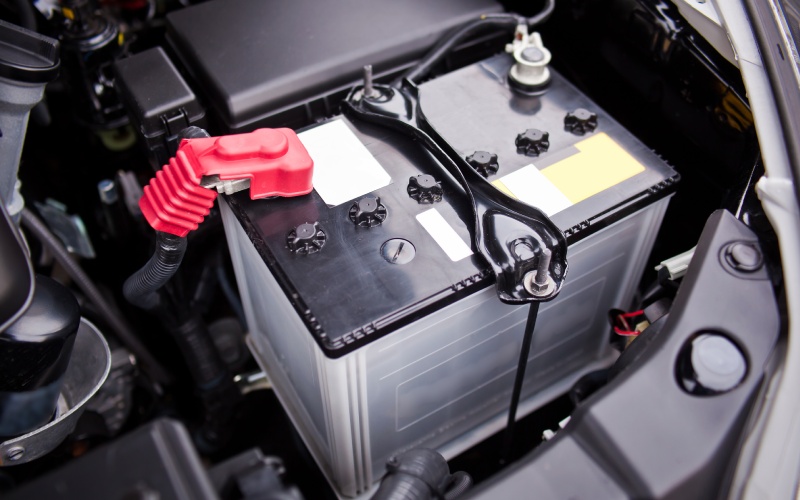
Vern Eide Honda Sioux City – Why Choosing the Right Honda Battery and BMS Reset Matters in Sioux City, IA
Battery trouble rarely announces itself on a quiet afternoon. It shows up when you’re late for school drop-off, when the interior lights flicker after practice at Cone Park, or when the stop-start function won’t engage at a red light along Southern Hills Drive. Choosing the correct Honda battery—and resetting the Battery Management System (BMS) after installation—keeps your vehicle starting decisively, charging properly, and running all its tech without complaint. This guide explains what Sioux City drivers should know before replacing a Honda battery, how the BMS affects everyday performance, and when it pays to lean on an OEM part plus professional setup.
How to recognize a fading battery
Modern Hondas are polite about warning you, but the messages can be subtle at first. A weak battery may still start the engine yet struggle to power all the modules that wake up when you unlock, open doors, or press START. That’s why you might see intermittent screen resets or notice the radio forgets settings after a quick stop at the grocery store.
- Crank speed slows: The starter turns the engine more slowly, especially after the car sits overnight.
- Dim or pulsing lights: Headlamps or interior lights waver when accessories switch on.
- Start/stop disabled: The idle-stop symbol stays crossed out because the system senses low reserve capacity.
- Repeated jump-starts: Needing a boost more than once is a sign the battery is nearing the end.
- Electrical quirks: Touchscreen restarts, clock resets, or TPMS messages can appear when voltage dips.
If you notice two or more of these symptoms, test the battery with a load test, not just a voltage reading. Low temperature can exacerbate voltage sag, but consistent failures point to aging cells or a mismatch between the vehicle’s needs and the battery installed.
Get the right battery type and size for your Honda
Not all 12-volt batteries are created equal. Hondas commonly use BCI group sizes such as 51R, 35, 24F, and for many newer models, “European” sizes like H5 (Group 47) or H6 (Group 48). Some trims require Enhanced Flooded (EFB) or Absorbent Glass Mat (AGM) designs to support idle-stop and heavier electrical loads. Installing the wrong chemistry can reduce service life, disable idle-stop, or cause charging anomalies. Always match three things: physical size (so the hold-down and cables fit), terminal orientation (to avoid cable stress), and performance specs such as Cold Cranking Amps and Reserve Capacity appropriate for your engine and equipment.
Many Hondas also include an Intelligent Battery Sensor on the negative cable. This sensor tracks current flow and state of charge, which the BMS uses to decide how aggressively to charge. Skipping the BMS reset after replacement can lead the car to “think” it still has the old, weak battery installed—resulting in undercharging, overcharging, or persistent start/stop inoperative messages.
Why the BMS reset matters after battery replacement
Honda’s BMS is a smart accountant for your battery. It logs age, charge acceptance, temperature behavior, and usage, then commands the alternator to charge in a way that balances fuel economy with battery longevity. When you install a fresh battery but fail to reset the BMS, the system continues treating the new unit like the old one. That can shorten its life and trigger nagging alerts.
A proper reset tells the car “this is a new battery,” clears learned aging data, and calibrates charge targets. The process is quick with Honda-capable diagnostic tools and ensures the alternator charges at the correct rate from the first drive. For Sioux City commutes—short hops to work, errand-packed weekends, and lots of accessory use—that calibration prevents chronic undercharging that slowly drains capacity over time.
Local driving habits that shorten battery life
You don’t need extreme weather to wear out a battery early. Around Sioux City, typical patterns stack up against a 12-volt system: short trips, multiple starts, and frequent accessory loads. Over months, that can leave the battery at a partial state of charge, and sulfation begins to steal capacity.
- Short, stop-and-go drives: Frequent starts without long highway runs limit alternator recovery time.
- Accessory-heavy routines: Seat heat, defoggers, phone charging, and audio draw significant current at idle.
- Remote starts: Multiple warm-ups add engine-on time without necessarily providing robust recharging.
- Intermittent parking: At gyms, schools, and quick-store stops, modules wake often and sip power.
- Dust and grime: Dirt around terminals can invite corrosion, increasing resistance and reducing charge efficiency.
If your weekly driving is mostly across town, consider a periodic longer drive or ask for a maintenance charge during routine service. Small changes can add months to a battery’s useful life.
DIY or professional: which path is right for you?
Swapping a 12-volt battery seems straightforward. The hidden complexity comes from systems that expect a precise sequence: maintaining memory for modules, protecting audio/navigation settings, avoiding airbag or steering-angle faults, and performing the BMS reset. Many newer Hondas also have tight battery trays, smart sensors on the negative cable, and covers or braces that must be reinstalled correctly to prevent vibration damage.
A professional install includes fitment verification by VIN, safe removal and disposal, terminal cleaning and protection, torque to spec on clamps, and an authenticated BMS reset so charging strategy is correct from mile one. It’s a small investment to ensure your next 30,000 starts are as confident as the first one. If you need parts, expertise, or a quick test near North Sioux City, SD, you can get everything in one stop without guesswork.
Frequently Asked Questions:
Do I need an AGM battery if my Honda has idle-stop?
Yes, many idle-stop systems are designed around AGM or EFB batteries that tolerate deeper cycling. Using a standard flooded battery can reduce performance and service life.
Will a memory saver prevent radio code prompts?
A memory saver helps retain settings during replacement. Many late-model Hondas preserve infotainment data, but preserving power avoids unexpected resets and speeds up the job.
How often should I replace a 12-volt battery?
Service life varies by usage, but 3 to 5 years is common. Frequent short trips and heavy accessory use can shorten that window. Annual testing is a smart habit.
Why did my start/stop stay disabled after a new battery?
The BMS likely needs a reset and a short relearn drive. Once the system recognizes a healthy state of charge, start/stop functions typically return.
Can I upsize to a higher-CCA battery?
Only if it fits the tray, matches terminal orientation, and aligns with Honda’s charging strategy. Oversized units that fit poorly can stress cables or mounts and are not recommended.
Whether you prefer to handle maintenance at home or want a seamless, professional replacement, our parts experts can match the exact OEM-spec battery and our service team can perform a proper BMS reset and validation drive. For a fast test, the right battery, and installation guidance from a team that works on Hondas every day, visit Vern Eide Honda Sioux City. We’ll make sure your next start is strong, your charging system is happy, and your daily routine keeps moving on schedule.
0 comment(s) so far on Why Choosing the Right Honda Battery and BMS Reset Matters in Sioux City, IA